

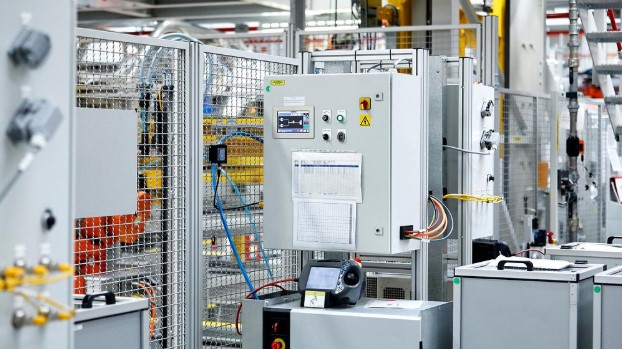
Industrial control panels deployed in classified hazardous locations represent one of the most technically demanding categories of electrical equipment manufactured. The environments in which these panels operate demand that every design decision, component selection, and construction method meets specific safety criteria verified by independent testing. UL 698A certified panel fabricators are the professionals qualified to deliver this standard, and understanding what makes their role critical helps operators make procurement decisions that genuinely protect their facilities.
The Role Panel Fabricators Play in Industrial Safety Systems
Control panels in industrial settings are the nerve centers of process automation managing motors, valves, sensors, alarms, and safety interlocks that together determine how safely and reliably a process operates. In hazardous locations, the panel itself must be designed and built to ensure it cannot become an ignition source, while still providing the control functionality the process requires. Fabricators who specialize in hazardous location panels combine deep knowledge of classified area requirements with the process control engineering expertise needed to meet both demands simultaneously.
What Certification Under UL 698A Actually Requires
Achieving UL 698A certified panel fabricator status involves demonstrating compliance with UL’s requirements for Listed Industrial Control Panels used in conjunction with oil and gas production equipment. This includes establishing a quality management system, using components that meet the relevant UL standards for hazardous location use, building panels in accordance with documented procedures, and submitting to periodic factory inspections that verify ongoing compliance.
How Uncertified Panels Create Risk in Hazardous Environments
The risk posed by non-certified panels in classified locations is not theoretical. Electrical equipment that has not been tested and verified to meet hazardous location requirements may contain components not rated for the arc energy levels present in that classification, wiring methods that create ignition pathways, or enclosure designs that do not adequately contain a potential internal fault. These deficiencies may not manifest as visible problems under normal operating conditions, creating a false sense of security until the conditions that expose the deficiency actually occur.
The Audit and Testing Process That Makes Certification Meaningful
The value of UL 698A certification comes from the rigor of the process that confers it. Factory audits assess whether the fabricator’s documented procedures match their actual construction practices. Representative panel samples undergo testing that verifies their performance under the fault conditions the standard addresses. This combination of document review, facility inspection, and product testing creates a multi-layered verification that self-certification cannot replicate. Specifiers who require UL 698A certification are requiring this level of independent assurance, not simply a piece of paper.
How to Verify and Work with Certified Fabricators
Verifying a fabricator’s current UL 698A certification status can be done directly through UL’s online product certification directory, which lists currently certified fabricators and the scope of their certification. Beyond certification verification, reviewing the fabricator’s experience with the specific hazardous location classification and Division or Zone designation required by your application ensures their expertise matches your project’s technical demands. Fabricators who can demonstrate recent, relevant project experience alongside current certification represent the standard of qualification that hazardous location applications demand.
Conclusion
UL 698A certified panel fabricators represent the appropriate and responsible choice for any industrial control application in classified hazardous locations. Their certification reflects an independently verified capability to build panels that meet the specific safety requirements of these demanding environments. For operators whose facilities depend on safe, reliable control systems in the presence of potentially explosive atmospheres, working with certified fabricators is the standard of care the situation demands without exception.

