

Introduction
The Three Gorges Dam stands as one of the most ambitious engineering projects in human history, symbolizing technological advancement and national pride. Located on the Yangtze River in China, this colossal structure has transformed energy production, flood control, and transportation in the region. For decades, the Three Gorges Dam has been at the center of global discussions due to its scale, environmental consequences, and socio-economic impact.
Understanding the Three Gorges Dam requires exploring its origins, construction challenges, and long-term effects. From providing massive hydroelectric power to altering ecosystems and displacing millions of people, the dam is both a marvel and a subject of controversy. This comprehensive guide examines every major aspect of the Three Gorges Dam, offering clear insights into why it remains one of the most significant infrastructure projects ever built.
Overview of the Three Gorges Dam
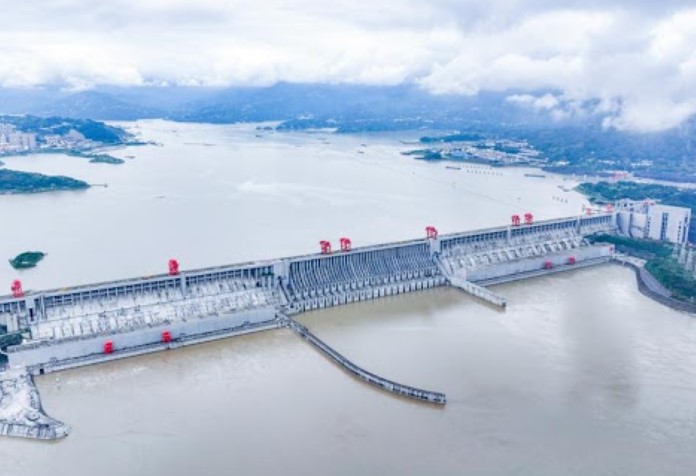
The Three Gorges Dam is a hydroelectric gravity dam spanning the Yangtze River in Hubei province, China. It is widely recognized as the largest power station in the world in terms of installed capacity. The project was designed to serve multiple purposes, including electricity generation, flood control, and improved river navigation.
Construction officially began in 1994 and was completed in stages, with the main structure finished in 2006 and full operation achieved in 2012. The Three Gorges Dam stretches over 2,300 meters in length and rises approximately 185 meters high, making it a monumental feat of civil engineering.
The dam’s reservoir extends for hundreds of kilometers upstream, submerging valleys and reshaping the surrounding landscape. Its scale alone makes the Three Gorges Dam a defining project of modern engineering.
Historical Background
The idea of building a massive dam on the Yangtze River dates back to the early 20th century. Chinese leaders envisioned harnessing the river’s immense power to control flooding and generate electricity. However, political instability and technological limitations delayed progress for decades.
Serious planning began in the mid-20th century, but it wasn’t until the late 20th century that the project gained momentum. After extensive debates and feasibility studies, the Chinese government approved the construction of the Three Gorges Dam in 1992.
The decision was controversial from the start. While supporters emphasized economic growth and energy security, critics raised concerns about environmental damage and human displacement. Despite opposition, construction moved forward, ultimately resulting in the Three Gorges Dam we see today.
Engineering and Design
The design of the Three Gorges Dam reflects advanced engineering principles and innovative construction techniques. Built as a concrete gravity dam, it relies on its immense weight to resist the force of water.
Key Engineering Features:
- Length: Approximately 2,335 meters
- Height: Around 185 meters
- Reservoir length: Over 600 kilometers
- Installed capacity: Over 22,500 megawatts
The Three Gorges Dam includes 34 generators, each capable of producing massive amounts of electricity. These turbines are powered by the flow of water through the dam, converting kinetic energy into electrical energy efficiently.
Additionally, the dam features a sophisticated ship lock system and a ship lift, enabling vessels to navigate the river despite the significant elevation difference created by the structure.
Construction Process
The construction of the Three Gorges Dam was a massive undertaking that required advanced planning, large-scale workforce coordination, and significant financial investment.
Phases of Construction:
- River diversion and groundwork
- Main dam construction
- Installation of turbines and power systems
- Reservoir filling and operational testing
Over 40,000 workers were involved at peak construction. The project required the relocation of entire communities and the submersion of numerous towns and historical sites.
Despite challenges such as geological instability and environmental concerns, engineers successfully completed the Three Gorges Dam within the planned timeline, showcasing China’s growing capabilities in large-scale infrastructure development.
Benefits of the Three Gorges Dam
The Three Gorges Dam delivers several important benefits, making it a cornerstone of China’s development strategy.
1. Hydroelectric Power Generation
The dam produces enormous amounts of renewable energy, reducing reliance on fossil fuels. The Three Gorges Dam contributes significantly to lowering carbon emissions and supporting sustainable energy goals.
2. Flood Control
Historically, the Yangtze River has caused devastating floods. The dam helps regulate water flow, protecting millions of people and vast agricultural areas downstream.
3. Improved Navigation
The Three Gorges Dam has enhanced river transport by allowing larger ships to travel upstream. This improvement has boosted trade and economic activity in inland regions.
4. Economic Growth
The project has stimulated industrial development, job creation, and infrastructure improvements, contributing to regional and national economic progress.
Environmental Impact
While the benefits are substantial, the Three Gorges Dam has also caused significant environmental changes.
Ecosystem Disruption
The dam has altered natural water flow, affecting fish migration and aquatic biodiversity. Several species have faced population decline due to habitat changes.
Sedimentation Issues
Sediment accumulation in the reservoir affects water quality and reduces the dam’s long-term efficiency. Managing sediment flow remains a major challenge.
Landslides and Geological Changes
The rising water levels have increased the risk of landslides in surrounding areas. These geological shifts pose safety concerns for nearby communities.
Climate Influence
Large reservoirs like the one created by the Three Gorges Dam can influence local climate patterns, including humidity and temperature changes.
Social Impact
One of the most debated aspects of the Three Gorges Dam is its social impact.
Displacement of People
More than 1.3 million people were relocated to make way for the reservoir. Entire towns and villages were submerged, leading to cultural and emotional loss.
Cultural Heritage Loss
Numerous historical and archaeological sites were lost beneath the water. Although some were relocated, many irreplaceable landmarks were permanently submerged.
Economic Adjustment
Relocated communities faced challenges adapting to new environments and livelihoods. While compensation was provided, the transition was not always smooth.
Key Facts Table
| Feature | Details |
|---|---|
| Location | Yangtze River, China |
| Dam Type | Concrete Gravity Dam |
| Length | 2,335 meters |
| Height | 185 meters |
| Installed Capacity | 22,500+ MW |
| Construction Start | 1994 |
| Full Operation | 2012 |
| Reservoir Length | 600+ kilometers |
| People Relocated | 1.3 million+ |
Economic Significance
The Three Gorges Dam plays a crucial role in China’s economy. By generating large-scale electricity, it supports industries, reduces energy costs, and enhances energy security.
The improved navigation system has transformed the Yangtze River into a major transportation corridor, reducing logistics costs and boosting trade efficiency.
Moreover, the Three Gorges Dam has attracted tourism, with visitors drawn to its massive structure and scenic surroundings, contributing to local economic development.
Technological Innovations
The Three Gorges Dam incorporates several advanced technologies:
- High-capacity hydro turbines
- Automated monitoring systems
- Advanced flood control mechanisms
- Ship lift technology for large vessels
These innovations demonstrate how modern engineering can handle complex challenges at an unprecedented scale.
Global Importance
The Three Gorges Dam is often studied as a benchmark for large infrastructure projects worldwide. It highlights both the potential and risks associated with mega-dams.
Countries considering similar projects analyze the Three Gorges Dam to understand best practices and avoid potential pitfalls. Its global influence extends to energy policy, environmental planning, and engineering design.
Challenges and Criticism
Despite its achievements, the Three Gorges Dam faces ongoing criticism:
- Environmental degradation
- Risk of structural stress over time
- Sediment management difficulties
- Social displacement issues
These challenges continue to shape discussions about the long-term sustainability of the Three Gorges Dam.
Future Outlook
The future of the Three Gorges Dam depends on effective management and technological upgrades. Efforts are being made to address environmental concerns, improve sediment control, and enhance safety measures.
As renewable energy demand grows, the Three Gorges Dam will remain a key contributor to clean energy production. However, balancing development with environmental preservation will be essential for its long-term success.
Conclusion
The Three Gorges Dam represents a remarkable blend of ambition, engineering excellence, and complex consequences. As the world’s largest hydroelectric power station, it has transformed energy production, flood management, and transportation in China.
At the same time, the Three Gorges Dam serves as a reminder of the trade-offs involved in large-scale development. Environmental disruption, social displacement, and long-term sustainability challenges highlight the need for careful planning and responsible management.
Ultimately, the Three Gorges Dam stands as both an engineering triumph and a subject of ongoing debate. Its legacy will continue to influence infrastructure projects worldwide, shaping how nations approach the balance between progress and preservation.
Read More:- Detroit Metropolitan Wayne County Airport Directory Guide

